How To Improve The Efficiency Of Aging Industrial Power Plants
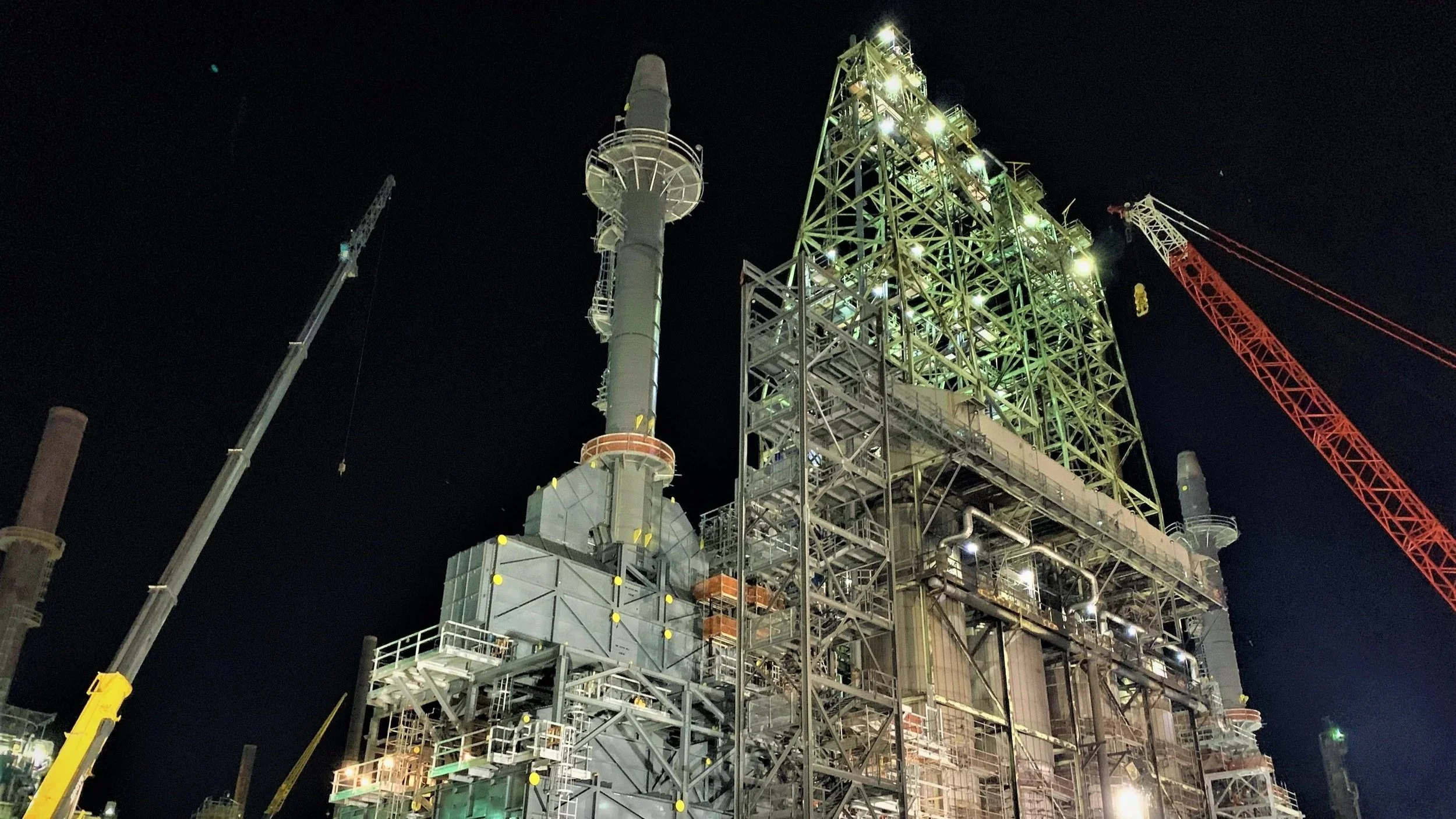
Aging industrial power plant assets continue to operate under demanding load conditions while facing a gradual performance decline. Over time, internal wear, seal degradation, auxiliary losses, and operational stress reduce output and increase fuel consumption.
Improving the efficiency of power plant systems is not limited to routine maintenance. It requires focused evaluation of turbomachinery performance, auxiliary systems, and maintenance strategy to restore output, control emissions, and extend asset life. A structured approach to aging power plant efficiency improvement helps plants recover performance without full equipment replacement.
9 Critical Operational Fixes for Efficiency Decline in Aging Power Plants
1.Understand Where Efficiency Is Being Lost
Assess performance degradation across turbines, compressors, and auxiliary systems by evaluating the rotating and supporting equipment as a whole to identify overall output decline.
Identify wear, fouling, erosion, and clearance losses in rotating equipment to detect aerodynamic inefficiencies and internal leakage affecting performance.
Review historical operating data to compare current vs. original performance and quantify measurable efficiency loss.
Evaluate auxiliary and balance-of-plant systems contributing to hidden energy losses that increase parasitic load.
Establish a measurable baseline to prioritize efficiency improvement efforts based on actual performance impact.
2.Focus on Turbomachinery Performance
Analyze turbine and compressor efficiency losses due to aging internals, which reduce isentropic efficiency and mass-flow capability.
Address outdated aerodynamic paths and flow-geometry limitations that limit performance, restoring proper pressure recovery and output stability.
Reduce aerodynamic losses caused by erosion and surface degradation through precision repair and restoration.
Improve output and fuel utilization through targeted revamps that enhance internal component performance.
Restore performance without replacing the entire equipment by modernizing critical turbomachinery components.
3.Modernize Sealing and Auxiliary Systems
Identify efficiency losses in legacy seal systems due to increased wear, leakage, and friction.
Reduce leakage and friction through modern sealing material and design upgrades to stabilize shaft performance.
Improve lubrication system reliability and stability to preserve bearing efficiency and mechanical integrity.
Optimize the performance of cooling, filtration, and auxiliary equipment to prevent excess energy draw.
Lower parasitic energy consumption from supporting systems to strengthen overall plant efficiency.
4.Strengthen Maintenance Strategy for Aging Assets
Move away from reactive repairs driven by failures to prevent accelerated long-term degradation.
Apply condition-based inspection to preserve operational efficiency by detecting anomalies early.
Prevent excessive wear that leads to permanent performance loss by addressing issues before escalation.
Maintain tighter tolerances through planned interventions to protect internal clearances and flow geometry.
Improve equipment reliability and operational predictability to sustain stable plant performance.
5.Reduce Downtime Through Better Turnaround Planning
Minimize unplanned outages that disrupt efficiency and output stability.
Define a clear turnaround scope well before the shutdown windows, including performance restoration tasks.
Coordinate engineering, field services, and logistics early to reduce execution risk.
Procure long-lead items in advance to avoid schedule overruns during outages.
Restore plant performance during planned outages rather than limiting work to basic repairs.
6.Improve Parts Availability and Inventory Management
Identify critical components vulnerable to failure or obsolescence to prevent operational delays.
Maintain access to OEM and refurbished spare parts to support rapid restoration.
Avoid temporary fixes caused by part unavailability that compromise long-term efficiency.
Store components under proper conditions to preserve their integrity before installation.
Reduce outage duration by enabling faster repairs with prepared inventory.
7.Address Emissions Through Efficiency Gains
Reduce fuel consumption by restoring equipment efficiency to lower operational input.
Lower emissions per unit of power generated by improving overall performance stability.
Address regulatory pressure through operational improvements that enhance efficiency.
Improve environmental performance without process redesign by optimizing existing systems.
Align efficiency upgrades with decarbonization objectives to support sustainability goals.
8.Apply Engineering Expertise to Complex Challenges
Address plant-specific efficiency constraints and operating limits through technical evaluation.
Evaluate modifications based on real operating conditions to ensure measurable improvement.
Resolve field issues that standard solutions cannot address with engineering analysis.
Support modernization and revamp decisions with engineering analysis to reduce uncertainty.
Reduce technical risk in mission-critical operations through structured assessment and planning.
9.Build a Long-Term Efficiency Roadmap
Prioritize improvements based on measurable efficiency impact to focus on high-return actions.
Phase upgrades to align with maintenance and outage cycles to reduce disruption.
Balance operational needs with capital investment planning for sustainable improvement.
Track efficiency improvements over multiple run cycles to validate results.
Extend asset life while maintaining dependable plant performance through structured execution.
Turning Aging Power Plant Constraints Into Sustainable Performance Gains
Aging infrastructure does not automatically mean declining output. With focused turbomachinery upgrades, auxiliary-system optimization, disciplined maintenance, and structured planning, plants can significantly improve energy efficiency and restore performance.
Improving the efficiency of power plant systems strengthens reliability, reduces fuel consumption, and supports long-term sustainability goals.Connect with our engineering team to schedule a structured performance assessment and identify practical opportunities to restore efficiency and extend asset life.
FAQs
-
Efficiency loss in aging industrial power plants is typically caused by wear, erosion, fouling, internal clearance growth, and surface degradation in turbines, compressors, and auxiliary systems. Over time, legacy sealing systems, lubrication instability, and balance-of-plant inefficiencies increase parasitic load and reduce overall energy efficiency in power plants.
-
Aging power plants can improve efficiency through targeted turbomachinery revamps, modernization of sealing systems, optimization of auxiliary systems, and condition-based maintenance strategies. Engineering-driven upgrades restore internal performance and reduce energy losses without requiring full equipment replacement.
-
Yes. Restoring turbomachinery efficiency lowers fuel consumption per unit of power generated, which directly reduces emissions intensity. Operational improvements aligned with decarbonization objectives allow existing plants to improve environmental performance without major process redesign.
-
Efficiency performance should be reviewed continuously through analysis of operating data and condition-based monitoring, with structured evaluations conducted before major outages or turnaround cycles. Regular performance benchmarking helps identify degradation early and supports proactive planning for efficiency improvements.
-
A long-term efficiency roadmap prioritizes measurable improvements, aligns upgrades with outage schedules, and balances operational needs with capital planning. This structured approach extends asset life, improves reliability, and sustains high-efficiency power-plant performance across multiple operating cycles.