How Industrial Revamps Support Energy Transition Goals
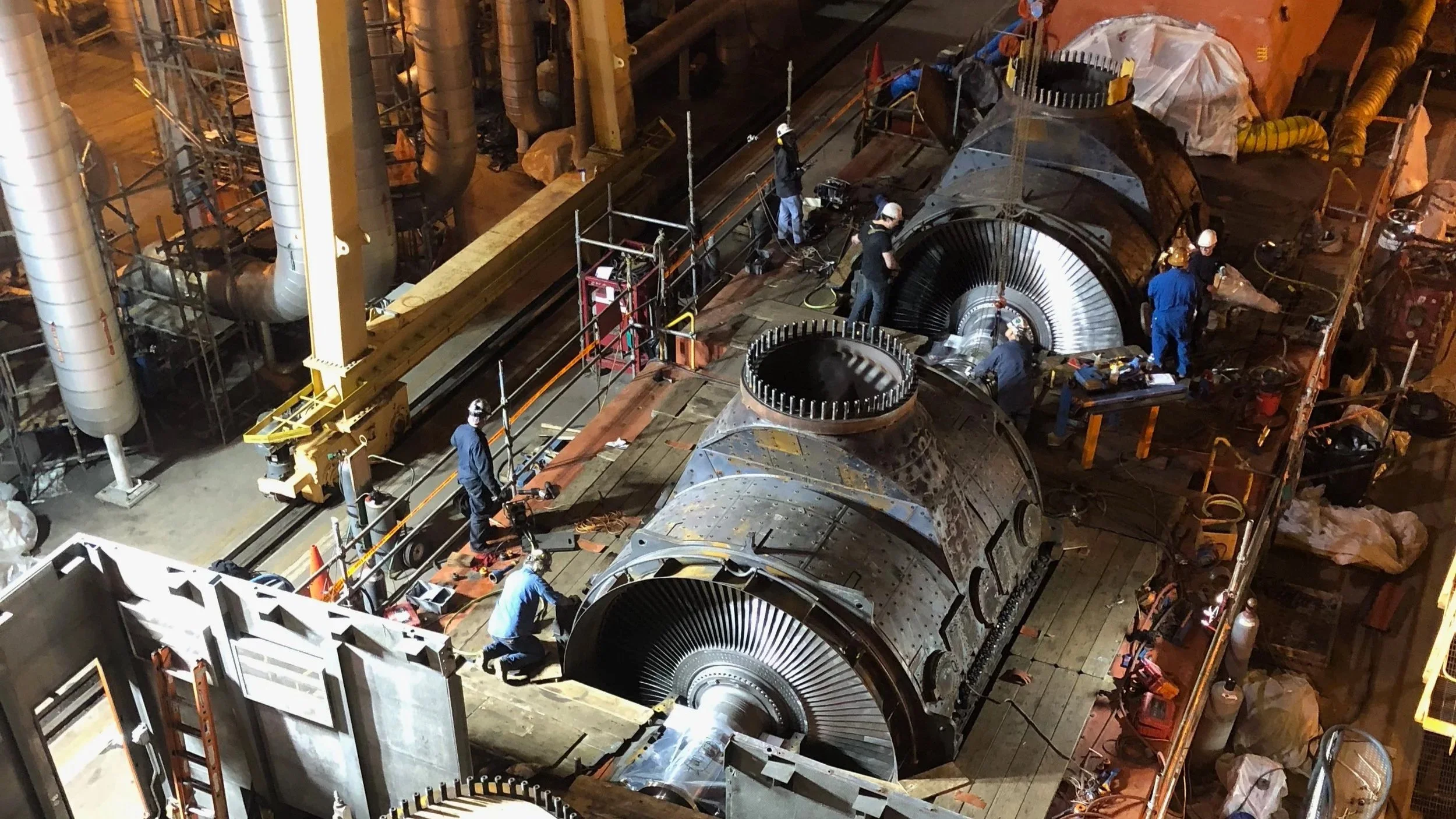
A Strategic Pathway to Lower Emissions, Higher Efficiency & Long-Term Asset Value
Energy transition goals are reshaping how industrial operators approach sustainability, performance, and capital planning. While new technologies and alternative energy systems continue to evolve, most industrial facilities will continue operating existing infrastructure for the foreseeable future. The challenge lies in reducing emissions and energy consumption without compromising reliability or disrupting operations.
Industrial revamps, particularly compressor & turbomachinery revamps, have emerged as a practical solution to this challenge. By upgrading and modernizing existing compression systems, companies can improve efficiency, reduce carbon emissions, and extend asset life without the cost and lead time of full equipment replacement. Revamps provide a disciplined, high-impact pathway toward decarbonization while preserving operational continuity.
Why Industrial Compressor Revamps Matter in the Energy Transition
Many industries depend on continuous compression systems that consume significant energy and operate under demanding conditions. In these environments, rapid electrification or decarbonization is often not immediately feasible.
Industrial compressor revamps address this reality by focusing on emission reduction and efficiency improvements within existing assets. Instead of replacing critical equipment, revamps optimize current systems to deliver measurable sustainability and performance gains.
Through targeted engineering upgrades, revamps help companies to:
Cut energy use
Reduce carbon emissions
Maintain plant reliability
Minimize unplanned downtime
Avoid costly equipment replacement
Align operations with global sustainability standards
The Role of Compressor Revamps in Meeting Global Energy Transition Targets
Revamps Increase Compression Efficiency, Reducing Energy Consumption
Compression systems account for a significant share of industrial energy use. Over time, aerodynamic losses, wear, and outdated designs reduce efficiency and increase power demand. Revamps improve compressor efficiency by optimizing aerodynamic flow paths, redesigning impellers, and upgrading internal components. These upgrades result in:
Higher compressor efficiency
Lower power draw
Improved operating envelopes
Reduced energy waste
2. Revamps Help Reduce Carbon Footprint From Existing Assets
Replacing large turbomachinery units requires significant capital investment and extended execution timelines. Revamps provide an alternative by modernizing existing assets while retaining core infrastructure. Through targeted upgrades, operators can:
Extend the life of existing equipment
Improve output while lowering emissions
Reduce methane and CO₂ leakage through upgraded seals and designs
Comply with tightening ESG and emissions reporting regulations
3. Upgrading Seals and Bearings Reduces Losses and Improves Reliability
Older compressors often rely on legacy oil seal and bearing designs that contribute to friction losses, heat generation, and mechanical instability. These issues accelerate efficiency decline and increase the risk of unplanned outages. Revamps replace these with modern technologies, including:
Gas seals
Tilt-pad or upgraded thrust bearings
Low-loss components
4. Revamps Expand Operational Flexibility for Low-Carbon Processes
Energy transition strategies increasingly require plants to adapt to new operating conditions. Compression systems must accommodate changing process conditions. Especially as plants integrate:
Hydrogen
Biofuels
Low-carbon feedstocks
Variable production schedules
5. Revamps Reduce Maintenance Costs and Extend Asset Life
A key benefit of revamps is their ability to address root causes of excessive wear and maintenance requirements rather than reacting to failures. Modern revamp strategies focus on long-term performance stability. As a result, operators benefit from:
Lower lifecycle maintenance costs
Fewer unplanned shutdowns
Longer operational life of rotating equipment
Greater equipment stability in harsh conditions
6. Faster Implementation Compared to New Equipment Procurement
New turbomachinery procurement involves long engineering cycles, procurement delays, delivery backlogs, lengthy installation and commissioning phases. These factors slow progress toward energy transition goals.
Revamps reduce implementation time by utilizing existing foundations, piping, and auxiliary systems. Many projects can be completed during planned outages, allowing operators to realize performance improvements faster and with less disruption.
7. A Cost-Effective Path to Decarbonization
Revamps provide a financially practical approach to emissions reduction by delivering lower capital expenditure, higher ROI, faster payback, and lower risk. This makes revamps one of the most financially viable paths for companies pursuing:
Net-zero targets
Decarbonization strategies
ESG commitments
Sustainability certifications
What Makes FOX Different?
Customized Aero Path Designs: FOX develops revamp solutions tailored to each compressor’s operating conditions and performance objectives. Customized aerodynamic designs improve efficiency while maintaining mechanical integrity and operational stability.
Proprietary Technologies for Improved Efficiency: FOX applies proprietary technologies that can be retrofitted into existing equipment, improving efficiency, operating range, and reliability without requiring full replacement.
Expertise From Hundreds of Years of Combined Experience: FOX’s engineering and field teams bring deep turbomachinery expertise developed across decades of servicing high-speed, mission-critical rotating equipment.
Fastest Cycle Times in the Industry: With a strong focus on minimizing downtime, FOX delivers revamp projects through disciplined project management, in-house engineering, and streamlined execution.
A Broader Suite of Supporting Solutions: FOX integrates revamps with a comprehensive aftermarket portfolio, including balance of plant services, decarbonization solutions, repairs and parts, modernization support, field services, storage, and lifecycle management.
Industries Benefiting from Fox Revamp Solutions
Oil & Gas
Petrochemical
Power Generation
Nuclear
Metals & Mining
Pulp & Paper
Plastics
These industries rely on compression systems where efficiency, reliability, and emissions performance directly impact long-term value.
Revamps Are an Immediate, High-Impact Step Toward Energy Transition
Industrial revamps offer a clear and immediate pathway to support energy transition goals. By improving efficiency, reducing emissions, and extending asset life, revamps enable companies to act decisively without waiting for full equipment replacement. For operators seeking measurable sustainability progress while maintaining reliable operations, industrial compressor and turbomachinery revamps represent a high-impact step forward.
Contact our team for more details on industrial centrifugal compressor revamp solutions.
FAQs
-
Industrial compressor revamps reduce energy consumption and operational emissions by improving compressor efficiency, minimizing losses, and extending asset life, making them a practical step toward energy transition targets.
-
Yes, compressor service supports ESG goals by lowering energy consumption, reducing emissions intensity, and improving operational reliability without large capital projects.
-
Yes, compressor revamps can be engineered to expand operating ranges, allowing equipment to handle new feedstocks, variable loads, and updated process requirements.
-
Compressor repair restores a unit to working condition after wear or failure, while a revamp involves engineered upgrades that improve efficiency, reliability, and operating performance beyond the original design.