8 Proven Ways To Cut Power Plant Maintenance Costs Without Compromising Reliability
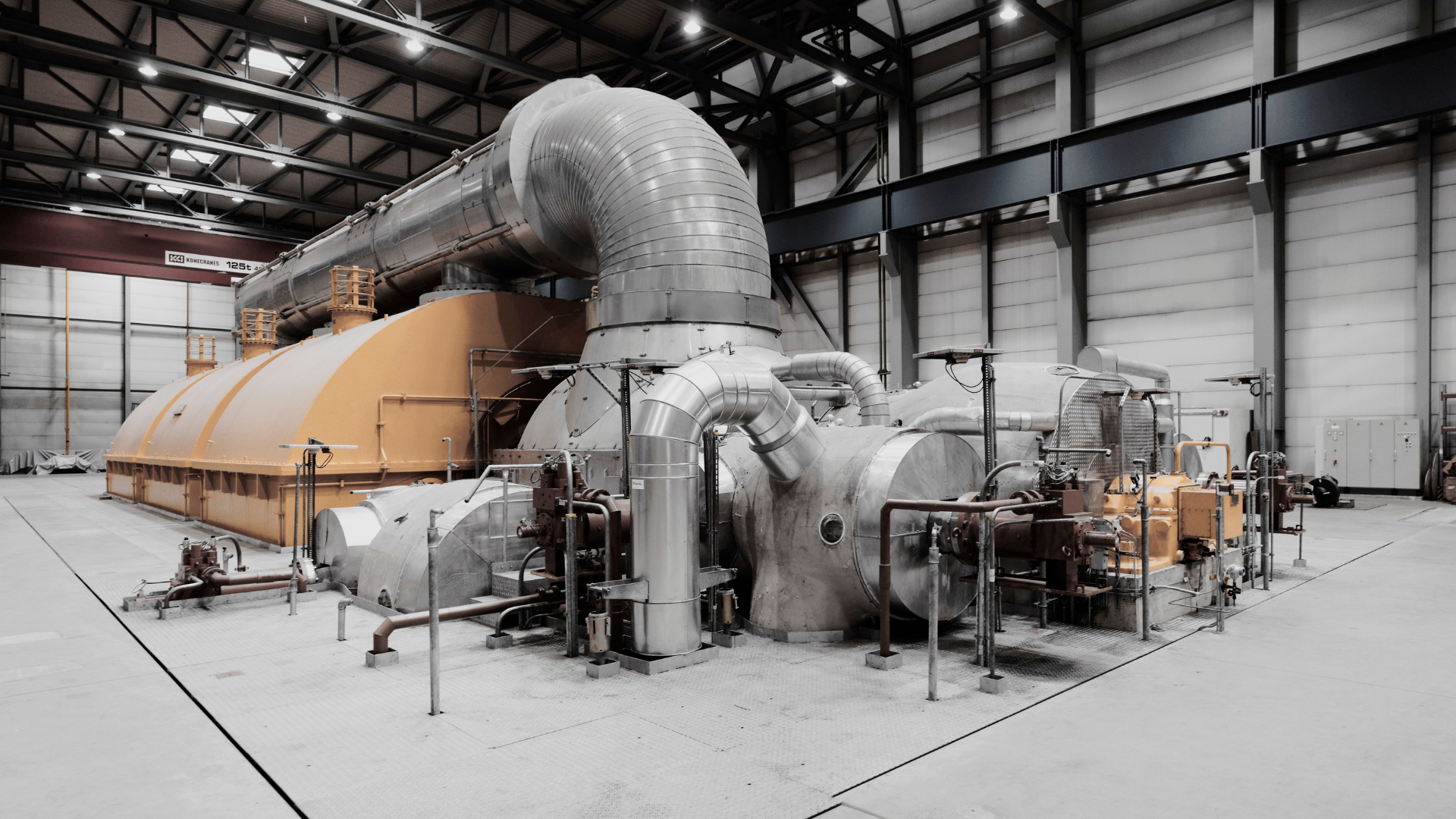
Maintenance costs are among the most significant and controllable expenses in industrial power plant operations. As equipment ages and operating conditions become more demanding, plants often face higher maintenance budgets, frequent repairs, and unplanned outages that disrupt production. Critical assets such as gas & steam turbines, compressors, generators, and balance of plant systems require consistent attention to maintain stable output and avoid costly failures. Short-term cost reduction efforts, such as deferring equipment care or limiting resources, often lead to safety risks and higher long-term expenses.
A more sustainable approach emphasizes disciplined maintenance strategies, informed decision-making, and targeted investments that enhance asset performance over time. When maintenance planning is aligned with equipment condition, process demands, and lifecycle goals, plants can lower costs while preserving dependable performance.
Effective Strategies for Reducing Industrial Power Plant Maintenance Costs
Implement Predictive Maintenance
Predictive maintenance utilizes sensors and performance data analytics to monitor equipment condition in real-time. Parameters such as vibration, temperature, pressure, and operating trends provide early signs of wear or developing issues. Rather than relying on fixed service intervals, maintenance activities are scheduled based on actual equipment condition, which is especially effective for critical rotating assets where early detection helps prevent secondary damage.
How it Helps:
This approach reduces unnecessary maintenance tasks and limits intrusive inspections that add cost without improving outcomes. Early issue identification allows corrective work to be planned during scheduled outages, avoiding extended downtime and supporting improved uptime, while contributing to lower long-term lifecycle costs.
2. Optimize Spare Parts Inventory Management
Spare parts inventory directly impacts maintenance cost and outage duration. Excess inventory ties up capital and storage space, while shortages can extend outages and increase emergency procurement costs. A structured inventory management system helps align spare availability with actual maintenance and equipment requirements.
How it Helps:
Optimized inventory management prevents overstocking, minimizes waste from obsolete parts, and ensures critical components are available when required. Improved procurement planning limits expedited shipping costs and supports faster turnaround during asset care, resulting in lower storage costs & more predictable maintenance spending.
3. Invest in High-Quality, Durable Equipment
Equipment quality directly affects maintenance frequency and cost. Upgraded, durable components designed for extended service life reduce the need for frequent intervention and replacement.
How it Helps:
Durable equipment experiences fewer failures and longer service intervals, reducing repair frequency and the need for part replacements. This leads to lower labor requirements and fewer unplanned outages. Although the initial investment may be higher, the reduction in lifecycle maintenance costs delivers long-term financial benefits.
4. Train Staff Effectively
Maintenance effectiveness depends on the technical capability and experience of the workforce. Ongoing training ensures maintenance personnel are familiar with the latest techniques, diagnostic tools, and evolving equipment technologies.
How it Helps:
Properly trained teams make fewer errors, complete repairs accurately, and identify developing issues early. Improved troubleshooting skills reduce repeat failures and rework, resulting in shorter maintenance windows and higher uptime. Consistent training also supports safer work practices and better compliance with operating standards.
5. Use Remote Monitoring and Diagnostics
Remote monitoring systems provide continuous visibility into equipment performance without the need for constant on-site inspections. Maintenance teams can review operating data, assess trends, and diagnose issues from centralized locations, which is especially useful for facilities with multiple units or limited on-site resources.
How it Helps:
Remote diagnostics enable faster issue identification and reduce routine field inspection requirements. Early detection supports timely corrective action, helping avoid emergency repairs, reduce labor costs, and improve maintenance planning efficiency.
6. Schedule Maintenance During Off-Peak Hours
The timing of maintenance activities directly affects operational costs. Performing work during high-demand periods increases the financial impact of downtime and places pressure on teams.
How it Helps:
Scheduling equipment care during low-demand periods or planned downtimes reduces production losses and allows work to be performed more efficiently. Planned execution improves safety, reduces rushed repairs, and helps avoid costly unscheduled shutdowns.
7. Optimize Energy Use and Reduce Waste
Energy inefficiencies often indicate underlying equipment or process issues that also contribute to higher maintenance costs. Improving process efficiency reduces strain on equipment and supports more stable operation.
How it Helps:
Lower energy consumption reduces operating expenses. Waste reduction improves system stability, leading to fewer breakdowns and longer equipment life.
8. Support Modernization and Upgrades
Many industrial plants operate equipment that remains functional but requires frequent maintenance due to outdated designs or reduced efficiency. Selective modernization focuses on retrofitting or upgrading specific components or systems rather than full equipment replacement.
How it Helps:
Upgrading systems or retrofitting components improves reliability, reduces energy use, and lowers maintenance needs. Modernized equipment operates more consistently, supports improved uptime, and delivers long-term cost reductions by minimizing repair frequency and unplanned outages.
A Practical Path to Lower Maintenance Costs & Stable Plant Operations
Lowering upkeep costs in industrial power plants depends on disciplined planning rather than short-term cost reduction. Aligning maintenance with actual equipment condition, strengthening inventory control, investing in durable assets & developing skilled technical teams allows plants to reduce expenses without increasing reliability risk.
When these efforts are supported by proper scheduling, energy optimization, and selective modernization, maintenance becomes more predictable and controlled. The outcome is stable plant operation, improved equipment availability, and sustained cost reduction while meeting safety and compliance expectations.
Reach out to our specialized maintenance, overhaul & repair team to discuss your power plant needs.