The Hidden Costs of Waiting for OEM Parts and How to Avoid Them
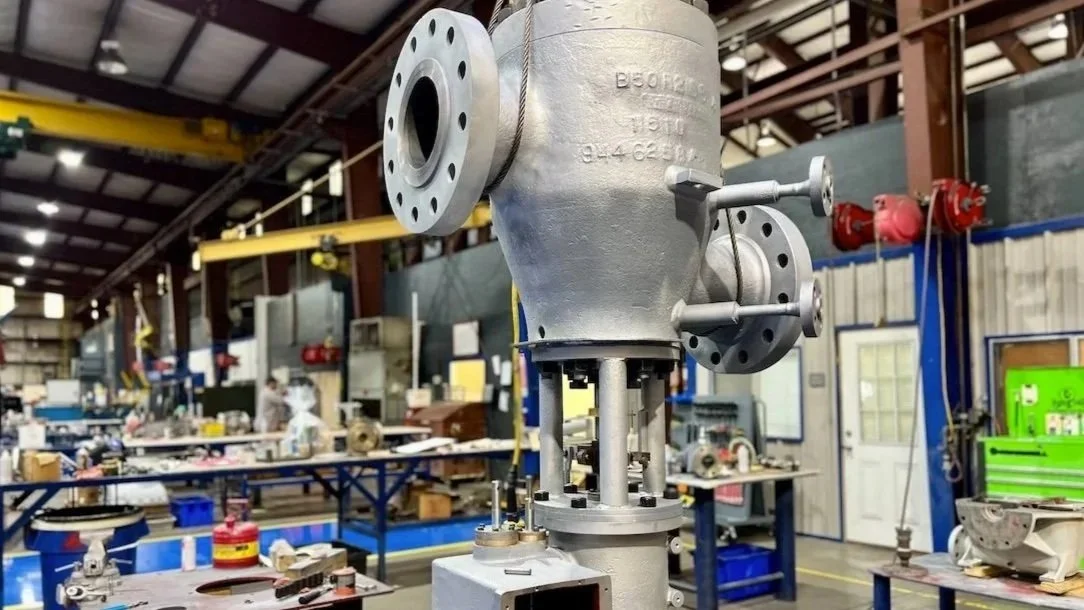
In industrial operations that rely on high-speed rotating equipment, the impact of a critical component's unavailability extends far beyond procurement timelines. For plants operating compressors, turbines, and other rotating equipment, waiting for OEM parts can create cascading operational, financial, and regulatory consequences.
What appears to be a routine delay can disrupt production schedules, increase operating costs, and reduce overall asset performance. Understanding these hidden costs and knowing how to manage them is essential for reliability and output.
Why OEM-Part Delays Matter for Turbomachinery Operations
OEM parts delays directly affect equipment uptime, maintenance schedules, and overall plant performance. Even minor delays can lead to extended downtime and reduced operational stability.
Downtime of high-speed rotating equipment
Critical equipment such as compressors and turbines operate continuously under demanding conditions. When parts fail, delays can force units offline, stopping production or reducing throughput.Efficiency losses, increased fuel/energy consumption
Running equipment in a degraded state increases energy use. Turbomachinery may consume more fuel or energy to maintain output, increasing operational costs over time.Increased carbon emissions or regulatory exposure
Lower efficiency leads to higher emissions. Higher fuel consumption increases the carbon footprint per unit of output, creating potential regulatory exposure.Higher labour/maintenance cost, schedule disruption
Rescheduling work, extended shifts, and temporary fixes increase labour costs & operational pressure.Loss of operational flexibility, missed production targets
Unavailable equipment limits response to demand, leading to missed targets and reduced competitiveness.
The Real Cost of OEM Parts Delays: How Waiting Impacts Performance, Efficiency, and Profitability
1.Equipment downtime and lost value
Asset offline: When critical equipment is down, the plant loses its ability to generate output. This directly affects revenue and utilization rates.
Liquidated Damages: In many contracts, failure to meet delivery commitments may result in penalties. Delays caused by unavailable parts can trigger these financial liabilities.
Rush-repair cost: Once parts become available, plants often expedite repairs to recover lost time, increasing costs associated with overtime and urgent services.
Secondary impacts: Downtime in one system can affect upstream and downstream processes, amplifying the overall operational disruption.
2.Efficiency degradation, energy waste & carbon impact
Increased energy consumption (higher fuel consumption): Operating with worn or suboptimal components increases energy demand. For example, compressors may require more power to achieve the same output.
Higher emissions per unit of output (increased carbon footprint): Energy inefficiencies translate directly into higher emissions, affecting sustainability goals and reporting requirements.
Regulatory/compliance risk (carbon reduction targets, emissions permits): Plants operating above permitted emission levels may face compliance challenges, particularly in environments with strict regulatory oversight.
Long-term asset value erosion: Prolonged operation under inefficient conditions accelerates wear and reduces the asset's long-term value.
3.Inventory, expedited shipping & logistics burden
Maintaining operations during a parts delay often requires reactive decision-making. Plants may increase spare inventory levels to mitigate future risks, tying up working capital. When parts finally become available, expedited shipping and handling costs are incurred to minimize further downtime.
Logistics complexity also increases, particularly when dealing with international supply chains or specialized components. These added pressures contribute to the overall cost of turbomachinery downtime, even when the equipment is eventually restored.
4.Customer impact, assets down-time, reputation & resale value
Delays in restoring equipment affect not only internal operations but also external commitments. Missed delivery schedules can impact customer relationships and reduce confidence in operational reliability.
Extended downtime due to corporate purchasing issues with OEM suppliers further complicates the situation. Larger organizations often face longer approval cycles, contract negotiations, and supplier dependencies, which delay decision-making.
In contrast, more agile service providers can act quickly, with fewer layers of approval and faster execution. This difference can significantly influence how quickly a plant returns to normal operations.
Over time, repeated downtime and operational inconsistencies can affect the resale value of assets and the overall plant's reputation.
5.Opportunity cost & technological obsolescence
Waiting for OEM parts is not only a delay, but it is also a missed opportunity to improve performance. During extended downtime, plants lose the ability to implement upgrades or adopt improved technologies. Equipment may be restored to its original condition rather than improved for current operational demands.
A more flexible approach allows for:
Evaluating alternative solutions beyond standard replacements.
Implementing performance upgrades during repair cycles.
Adapting to changing operational requirements.
Organizations that rely only on OEM pathways may miss these opportunities.
Working with a flexible partner provides added advantages:
Flexibility with FOX in evaluating repair, retrofit, or replacement options
Negotiable warranties aligned with project scope and risk tolerance
Customized solutions tailored to specific operating conditions & potential material upgrades extending the maintenance interval.
These factors support a shift from reactive maintenance to long-term value creation.
How to Avoid or Mitigate the Hidden Costs
Understand and communicate realistic lead times
Clear visibility into compressor repair lead time and part availability supports better planning and reduces disruptions.Strategic parts-inventory & aftermarket partnerships
Maintaining critical spares and working with reliable aftermarket turbomachinery parts providers reduces dependence on OEM timelines.Broaden the solution beyond OEM replacement
Exploring alternatives such as refurbished components, reverse-engineered parts, or performance upgrades can significantly reduce waiting periods and improve outcomes.Optimize maintenance workflow and turnaround planning
Effective planning of outages and maintenance activities minimizes delays. Coordinated execution ensures that once parts are available, work is completed efficiently.Quantify the cost of waiting vs the cost of action
Decision-making should consider the full impact of delays, including lost production, energy inefficiencies, and secondary costs. In many cases, acting early reduces total lifecycle cost compared to waiting.
Why Fox Innovation is Well-positioned to Help
Deep expertise in high-speed rotating equipment and aftermarket support
Fox brings extensive experience across compressors, OEM turbines, and associated systems, addressing complex operational challenges.Rapid turnaround & field services capability (global footprint) to minimise downtime
Fast response and execution capabilities help reduce the impact of delays and restore operations quickly.Retrofit, parts-manufacturing, and inventory solutions beyond OEM part dependency
By offering engineered alternatives and capabilities, Fox reduces reliance on OEM supply chains.OEM-agnostic parts and revamps
Solutions are designed based on performance requirements rather than OEM constraints, providing greater flexibility and value.A focus on energy efficiency, carbon reduction, and value creation
Every solution is aligned with improving the efficiency of rotating equipment, reducing emissions, and supporting long-term operational goals.
Waiting for OEM parts is often considered a standard part of maintenance planning. However, the broader impact on performance, cost, and operational stability requires closer evaluation. By recognizing the full extent of these impacts and adopting a more flexible, proactive approach, organizations can reduce downtime, manage costs more effectively, and maintain consistent asset performance.
For operations seeking to evaluate how to manage parts delays and reduce dependence on traditional supply pathways, a structured review of current strategies is a practical starting point. Engaging with an experienced turbomachinery services partner can help identify alternatives that support faster recovery and long-term value.
FAQs
-
OEM parts delays are often caused by long manufacturing lead times, limited production capacity, global supply chain constraints, and complex approval processes. For critical turbomachinery components, customization and strict quality requirements further extend delivery timelines.
-
Alternatives include refurbished components, reverse-engineered parts, retrofit solutions, and customized manufacturing. These options can reduce waiting time and improve performance.
-
Delays may force equipment to operate in a degraded condition, increasing energy consumption. This reduces the efficiency of rotating equipment and raises operating costs.
-
Yes, inefficient equipment operation due to delayed replacements can lead to higher emissions per unit of output, affecting carbon-reduction targets and environmental compliance.
-
Organizations can reduce dependency by building strategic inventory, partnering with aftermarket service providers, and considering engineered alternatives for critical components.